




These days, the conversation around AI in design tends to focus on output.
Faster wireframes. Faster copy. Faster research. Faster asset generation.
It has created an assumption that AI’s primary role is to accelerate production, when in fact the most useful application is happening much earlier in the process.
Experienced designers are tapping into the power of AI during discovery, before a user flow is even mapped, before a prototype is built, and before a single screen finds its way into Figma. It's a logical counterpart to abstract design, helping to map problem spaces and surface problems that may have otherwise been missed.
Using AI to Strengthen Problem Framing

Every new product initiative comes with uncertainty. Teams enter discovery armed with insight and somewhere, hidden among them, is a key problem. But surfacing what’s most critical can be a challenge.
As more customer feedback, market pressures, and business goals pour in, AI becomes a tempting shortcut for designers to cut through the noise. Rather than jumping to using it to devise final solutions, AI presents a more unique opportunity. Using AI to challenge assumptions, surface blind spots, and explore the reasoning behind established conventions may be its real superpower.
Imagine you're working on a brand that needs to feel trustworthy and innovative, but the client wants to avoid the familiar visual language of finance and technology. You could ask AI for concepts that do this exact task or, you might ask a different question: what qualities are those visual references communicating in the first place? Why do people associate them with trust? What underlying values are doing the heavy lifting?
When used in this way, AI sheds itself from being a solution generator and transforms into a research partner that can hone in on what's actually meaningful. It helps move beyond surface-level references and toward the reasoning that makes those references effective.
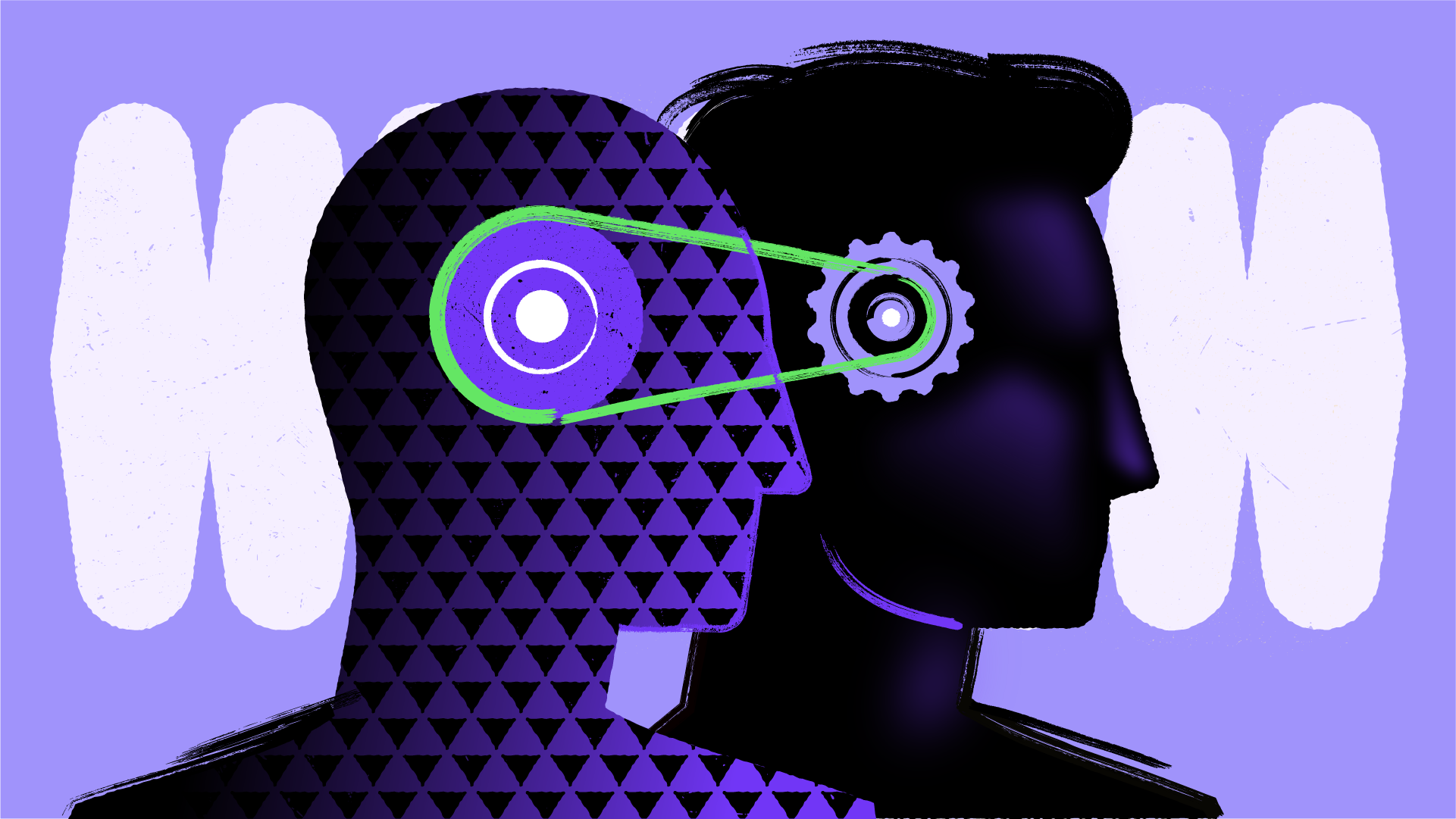
The key value here is that AI approaches ideas differently than people do. While designers bring context and meaning to a problem, AI relies on patterns and associations acquired through vast amounts of information. Together, human judgment and machine pattern recognition create a richer environment for problem-solving than either could achieve alone.
Communicating the Abstract

One challenging aspect of design is that good instincts often come before clear explanations. Strong direction arrives before a designer is able to fully articulate its strength. Similar to the discussion around business literacy in our last article, Language as a Bridge, being able to translate gut feelings into something stakeholders can grasp can become especially difficult when you’re working in the abstract.
In this sense, AI can function like an interpreter between intuition and logical explanation. A visual direction might be attempting to communicate trust, momentum, or belonging, but simply pointing at a grouping of shapes or intersecting lines isn’t enough to drive that intention home. With AI, designers can share their own interpretations and ask for framing alternatives that differ from their own, potentially saving themselves hours of reworking their pitch in order to win over clients.
Designers are still in control of defining the meaning of the work. It's just that now, they have access to a deeper understanding of language, perspective, and interpretation through AI. Designers peel back the layers of their own assumptions and gaps in their thinking to reveal opportunities they might have otherwise missed.
Understanding, Not Output

The greatest risk that AI poses to designers is replacing their output. As tooling becomes more capable, so grows the pressures to use them as production engines. It’s from that pressure that we’ve seen a surge in uninspired work. Products sometimes appear sophisticated on the surface, but on closer inspection it's obvious that they lack depth. Sure, content is being produced faster than ever before, but it misses the mark on keeping audiences engaged with actual solutions.
This distinction matters. Users are becoming increasingly adept at spotting work that feels manufactured. Research into AI-generated marketing content suggests authenticity continues to play a significant role in consumer trust, with brands leaning into an anti-AI “messiness” like Merit’s campaign involving half used products, or teams taking us behind the scenes to see how concepts are actually executed. AI can certainly accelerate output, but finished work that lacks substance will always fall to the wayside.
That pressure to be producing can create a reliance on AI tooling, especially for designers faced with an unfamiliar domain. In early stages, their simple, exploratory questions receive detailed answers give off an impression that AI is well-informed and comprehensive, but it's part of a larger pattern. From a distance, it looks remarkably similar to expertise, but up close lacks that same depth as generated assets.
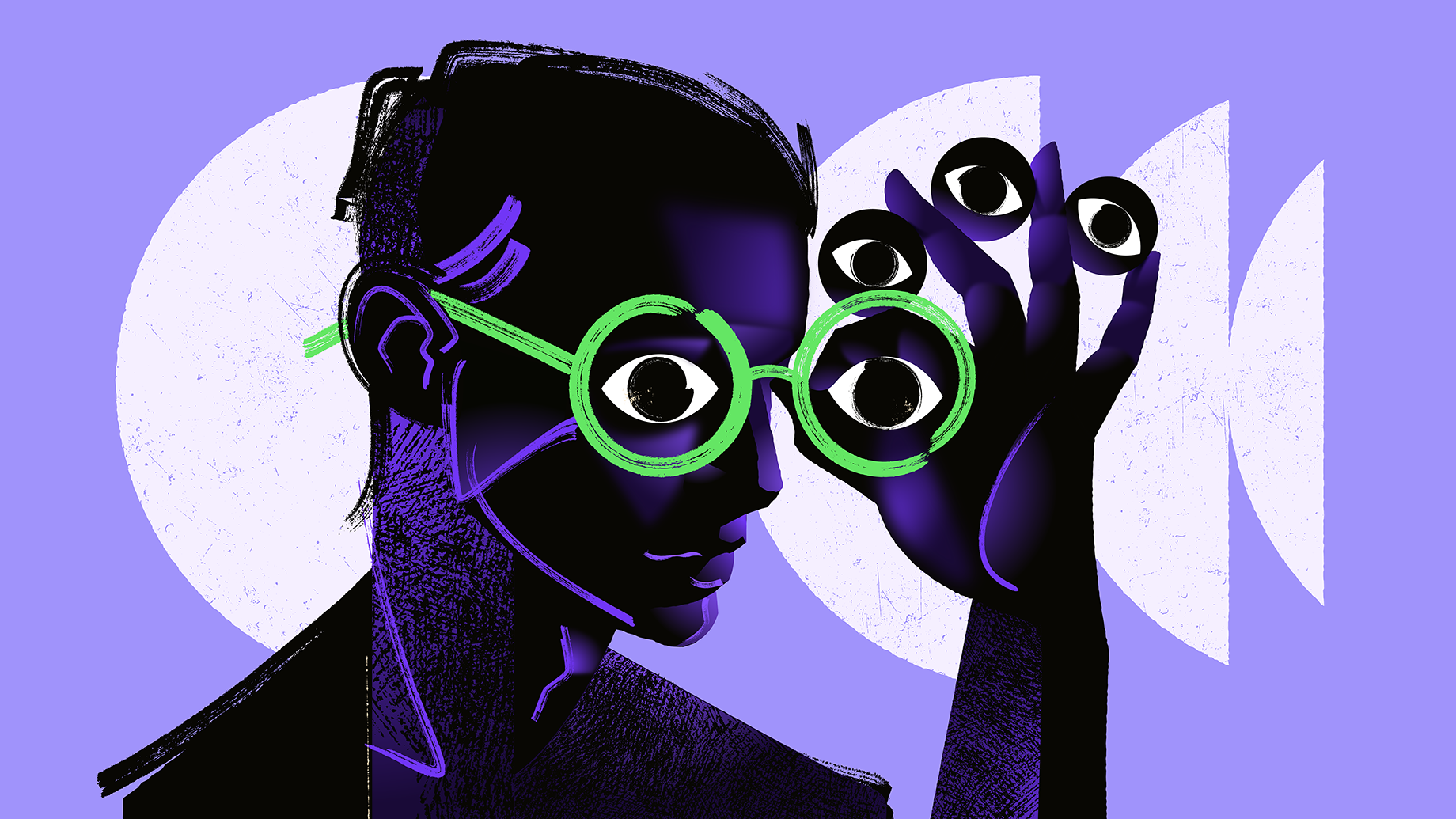
As a literal thinking partner, AI offers designers another way to examine the work before it takes shape. It creates space to spend more time with the problem itself. As a duo, humans carry the important job of contextual understanding, while AI provides a logical pattern. The end result is work that carries greater relevance, communicated with greater clarity.

.avif)